
Published: March 2, 2026 | Last updated: March 5, 2026
At a Glance: The US-Israel-Iran conflict has shut down both the Strait of Hormuz and Red Sea shipping corridors simultaneously, grounded Gulf aviation, and triggered the withdrawal of marine war-risk insurance. The consequences for corporate relocation programs moving people or goods through the Middle East are immediate and severe. Ocean freight to the Arabian Gulf is functionally unavailable. Air freight capacity is down 18%. Household goods shipments face indefinite delays and significant cost increases. Our guidance: postpone non-essential Gulf relocations, verify employee safety, review transit insurance, and plan for a disruption measured in weeks to months.
UPDATE (March 5): Strait of Hormuz traffic is now down 94%. The first container ship has been struck. Over 12,300 flights cancelled across seven Gulf airports. Five tankers damaged, two crew killed. This article has been updated to reflect the latest developments.
How the Middle East Crisis Affects Corporate Relocation Programs
On February 28, 2026, the United States and Israel launched coordinated military strikes against Iran in an operation codenamed “Epic Fury.” Iran retaliated with missiles and drones across multiple Gulf states, striking airports and infrastructure in the UAE, Kuwait, Bahrain, and Qatar.
As of March 5, active military operations continue with no ceasefire in sight. The conflict has now entered its sixth day. The consequences for global logistics, and for every company moving people or goods through the Middle East, are immediate and severe.
Shipping: Both major chokepoints closed simultaneously
For the first time in modern history, the world’s two most critical maritime corridors are effectively shut down at the same time.
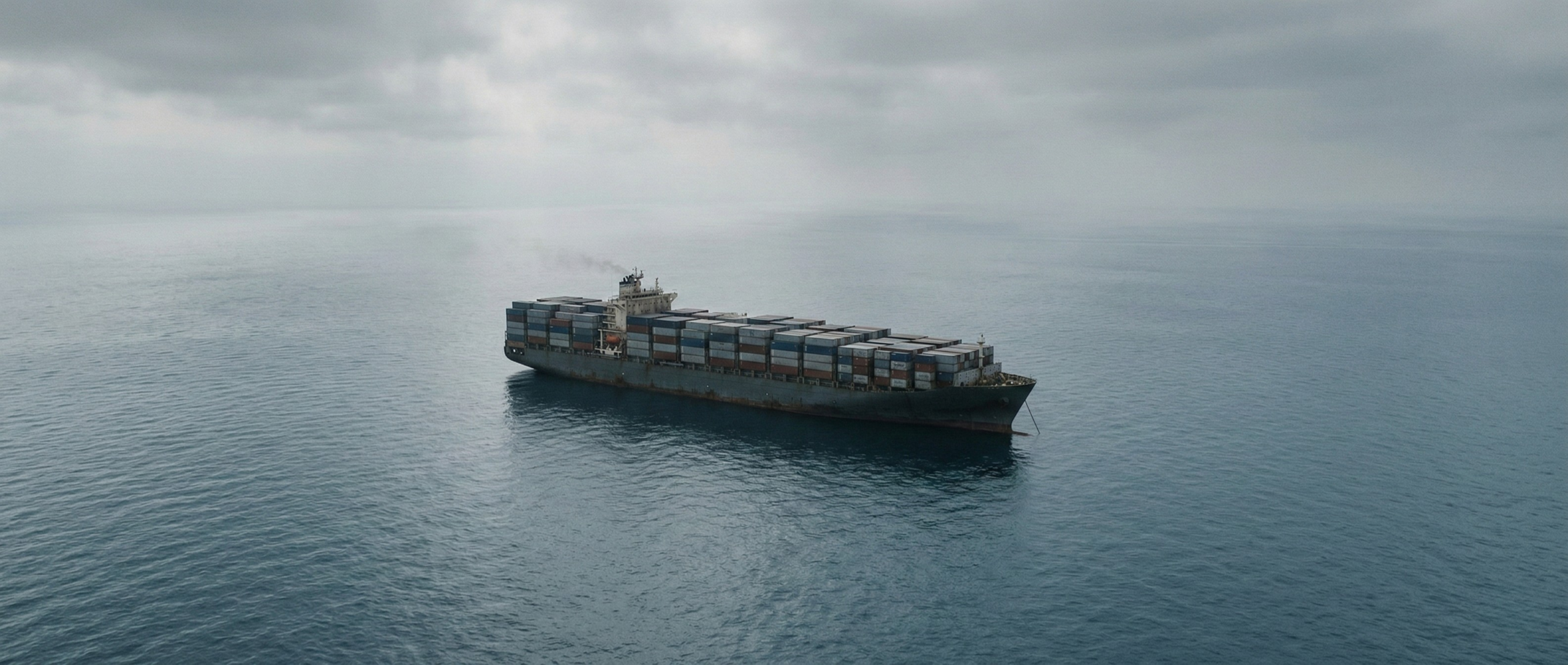
Strait of Hormuz: Tanker traffic through the strait dropped 70% within the first 48 hours and has since collapsed further — down 94% as of March 5, according to the Joint Maritime Information Center. Commercial transit has effectively stopped. Iran’s Revolutionary Guards broadcast warnings declaring the strait off-limits to all ships. While no formal legal closure has been recognized by UKMTO, the practical effect is the same — carriers are not transiting. Since March 1, at least five tankers have been struck near the strait, two crew members have been killed, and the first container ship casualty has been confirmed — the Malta-flagged Safeen Prestige was hit off Oman on March 5, forcing crew to abandon the vessel.
Red Sea and Suez Canal: Yemen’s Houthis announced they would resume attacks on Red Sea shipping in solidarity with Iran, ending the tentative carrier return that had been building since late 2025. All major container lines have now abandoned both corridors, rerouting vessels via the Cape of Good Hope — adding 10–14 days to Asia-Europe transit times.
What this means for household goods: Ocean freight to or from the Gulf is functionally unavailable. An estimated 138–147 containerships carrying approximately 470,000 TEU remain trapped inside the Gulf, unable to exit. MSC has declared all Gulf-bound cargo to be at the end of its voyage, whether at sea or in port. If your assignee’s household goods are on the water, expect extended delays.
Carrier response: Bookings suspended, surcharges imposed
Every major container line has pulled back from the Gulf:
| Carrier | Action Taken | Surcharges |
|---|---|---|
| MSC | Suspended all new bookings worldwide for Middle East cargo | TBA |
| Maersk | Halted all Hormuz crossings; closed UAE warehousing; suspended pickup/delivery in Bahrain, Kuwait, Iraq, Qatar, UAE | TBA |
| CMA CGM | Ordered all Gulf-bound vessels to shelter immediately | $2,000–$4,000/container (Emergency Conflict Surcharge) |
| Hapag-Lloyd | Suspended Strait of Hormuz transits | $1,500/TEU; $3,500 reefer/special (War Risk Surcharge) |
| ONE, OOCL, HMM, PIL, COSCO | Suspended Middle East bookings or ordered vessels to safe waters | Varies by carrier |
These surcharges apply not only to new bookings but also to cargo already accepted, in port, or awaiting shipment — a critical detail for relocations already in progress.
Insurance: War-risk coverage is being withdrawn
This may be the most consequential development for anyone shipping goods through the region. Seven of the world’s largest maritime insurance mutuals announced automatic termination of war-risk coverage for vessels entering the Persian Gulf, effective March 3–5, 2026.
Marsh, the world’s largest insurance broker, estimates marine hull insurance rates in the Gulf could rise 25–50%. Vessels with US or Israeli business connections may be unable to obtain coverage at any price.
On March 4, President Trump announced that the US Development Finance Corporation would offer political risk insurance for maritime trade through the Gulf, and that the US Navy would escort tankers through Hormuz if necessary. As of March 5, it remains unclear whether any commercial vessels have taken up the offer, and shipping traffic remains at a near standstill.
What this means for relocations: Transit marine insurance policies for household goods shipments may now carry new war-risk exclusions or dramatically higher premiums. Review all existing coverage immediately with your relocation provider and freight forwarder. Do not assume your current policy provides adequate protection.
Aviation: Gulf airports reopening slowly, but capacity remains limited
The UAE imposed airspace closures on February 28, grounding all flights at Dubai International (DXB), Al Maktoum International (DWC), and Abu Dhabi’s Zayed International. As of March 5, over 12,300 flights have been cancelled across seven Gulf airports since the conflict began.Approximately 90,000 passengers transit daily through Emirates, Etihad, and Qatar Airways hubs — all of which were shut down.
As of March 5, Emirates is operating a limited schedule of roughly 100 flights on March 5–6 for repatriation and essential cargo, but all scheduled commercial flights remain suspended through at least March 7. Etihad flights remain suspended until March 6, flydubai has resumed limited routes, and Air Arabia is suspended until March 9. Service remains far from normal — passengers are told not to go to the airport unless contacted directly by their airline. Airspace closures span Iran, Iraq, Israel, Qatar, Bahrain, Kuwait, Syria, and parts of Saudi Arabia, Jordan, and the UAE — effectively cutting the primary air corridor between Europe and Asia.
Hundreds of thousands of foreign nationals remain stranded across the Gulf. Air freight is not a viable workaround for time-sensitive relocations: an estimated 18% of global air freight capacity has been removed from the market.
What mobility leaders and transferees should do now
Whether you manage a global mobility program or you’re an employee mid-relocation, here’s our guidance:
For HR and mobility leaders:
- Account for all assignees and dependents in affected countries (UAE, Bahrain, Qatar, Kuwait, Oman, Saudi Arabia, Iraq). Ensure embassy registration and confirm shelter-in-place or evacuation plans.
- Postpone non-essential relocations to or from Gulf countries. Do not initiate new household goods shipments via ocean or air freight until conditions stabilize.
- Review all transit insurance policies for war-risk exclusions and work with your relocation provider to understand coverage gaps and surcharge pass-throughs.
- Budget for cost escalation. War-risk surcharges ($1,500–$4,000 per container), elevated insurance premiums (25–50% increases), and Cape of Good Hope rerouting add significant cost and 10–14 days of transit time.
- Communicate proactively with affected transferees rather than waiting for clarity. Transparency builds trust during uncertainty.
For transferees currently in the Gulf:
- Register with your embassy if you haven’t already. The US State Department raised Bahrain, Qatar, and Kuwait to Level 3 (“Reconsider Travel”).
- Stay in close contact with your employer’s mobility team and your relocation provider. Report any safety concerns immediately.
- Do not break housing leases or withdraw from school contracts without consulting your employer and legal counsel — doing so can create additional legal and financial exposure.
- Keep travel documents accessible and monitor airline updates directly for route-specific information.
For relocations in progress:
If household goods are already on the water bound for the Gulf, they will be delayed. Your relocation provider should be tracking the vessel and working with the carrier on options. Ask about temporary storage at alternative ports and updated delivery timelines. If goods haven’t shipped yet, hold until further notice.
How long will this last?
This is not a disruption that will resolve in days. The simultaneous closure of the Strait of Hormuz and Bab el-Mandeb to commercial shipping, the withdrawal of marine war-risk insurance, and the grounding of Gulf aviation represent a structural disruption without modern precedent. President Trump has estimated military operations will last “four weeks or less,” but commercial normalization — the reopening of shipping lanes, restoration of insurance, and full resumption of flights — will take considerably longer.
The shipping industry’s tentative return to the Red Sea, which had been building momentum since late 2025, has been reversed. Carriers are unlikely to resume Suez Canal transits in 2026 under current conditions.
The cascading economic effects are already visible. Iraq has begun shutting down operations at the Rumaila oil field due to lack of storage space with tankers unable to leave the Gulf. Crew members now have the right to refuse transit through the strait, which has been declared a high-risk zone — meaning even when hostilities end, getting ships crewed and insured for Gulf transit will take additional time.
Our realistic planning horizon: weeks to months of disruption, with a gradual, phased recovery even after hostilities cease.
For a broader look at the regulatory landscape shaping global mobility this year, see our 2026 Global Mobility Compliance Guide.
Frequently asked questions
Can I still ship household goods to Dubai or Abu Dhabi?
Not via ocean freight at this time. All major container lines have suspended bookings to the Gulf, and Jebel Ali Port operations are paused. Air freight is equally constrained, with 18% of global capacity offline. We recommend holding all new shipments until carriers resume bookings and insurance coverage is restored.
Will my relocation cost more because of this?
Almost certainly. Expect war-risk surcharges of $1,500–$4,000 per container, insurance premium increases of 25–50%, and higher base freight rates due to Cape of Good Hope rerouting. These surcharges apply to cargo already in the system, not just new bookings.
Are flights operating to the UAE?
As of March 5, Emirates is operating approximately 100 flights for repatriation and cargo but all scheduled service remains suspended through at least March 7. Etihad is suspended until March 6, Air Arabia until March 9. Flydubai has resumed limited routes. Do not travel to the airport unless contacted directly by your airline. Monitor your airline directly for the latest.
How does the Middle East crisis affect corporate relocation to non-Gulf countries?
Moves to countries outside the immediate conflict zone (e.g., Jordan, Egypt, Turkey) are less directly affected but may still face disruption. Red Sea rerouting impacts all Asia-Europe shipping, and regional airspace closures affect flight paths broadly. Assess each destination individually.
How does the Middle East crisis affect corporate relocation on other routes?
The Cape of Good Hope rerouting absorbs significant global container capacity, which will tighten availability and increase rates on Asia-Europe and Asia-Mediterranean trade lanes. If your relocation involves ocean freight on these routes, build in additional time and budget.
Is my household goods insurance still valid?
It depends on your policy’s war-risk provisions. Many policies exclude losses in designated war zones, and the Gulf has now been classified as such by major insurers. Contact your relocation provider to review your specific coverage immediately.
This is a rapidly evolving situation. We are monitoring developments daily and will update this guidance as conditions change.
Have questions about how the Middle East crisis affects your corporate relocation program? Contact Continuum International at 800-958-5881 or visit continuumrelo.com.